

Navigating Post-Holiday Emotions: Joy, Grief, and Uncertainty as We Approach New Year’s Eve in Canada
- jenna528
- 3 days ago
- 3 min read
The holiday season often brings a whirlwind of emotions. After the excitement of festive gatherings and celebrations, many Canadians find themselves facing a quieter, sometimes confusing period. The days leading up to New Year’s Eve can stir a mix of feelings: joy from cherished moments, relief from a break, grief for what’s passed, burnout from busy schedules, anxiety about the future, and uncertainty about what lies ahead. Understanding these emotions and learning how to manage them can help you move through this transition with more ease and clarity.
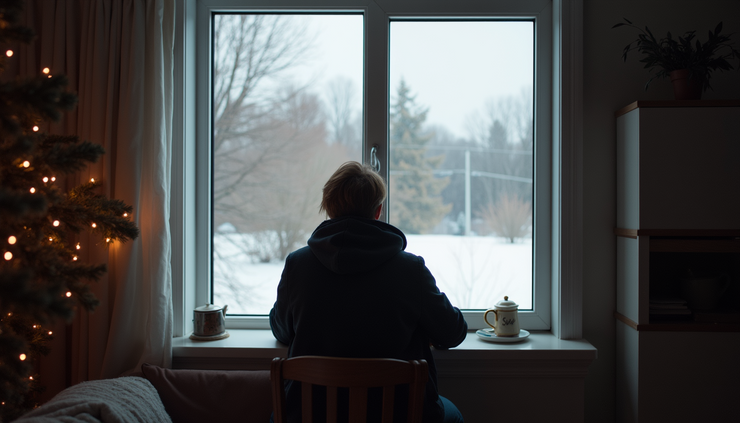
The Emotional Landscape After the Holidays
The holiday season in Canada, from Christmas to Boxing Day and beyond, often involves family reunions, gift exchanges, and festive meals. These moments create joy and connection but can also bring emotional challenges.
Joy and Gratitude
Many feel happiness from spending time with loved ones and celebrating traditions. This joy can boost mood and create lasting memories.
Relaxation and Relief
The break from work or school offers a chance to rest and recharge. For some, this pause is a welcome relief from daily pressures.
Grief and Loneliness
Holidays can highlight losses, whether from the passing of loved ones or strained relationships. Some Canadians experience loneliness, especially if separated from family or friends.
Burnout and Exhaustion
The busy pace of holiday preparations and social events can leave people feeling drained physically and emotionally.
Anxiety and Uncertainty
As the new year approaches, worries about personal goals, finances, health, or global events may surface.
Recognizing these feelings as normal helps reduce self-judgment and opens the door to healthier coping strategies.
How Canadians Experience Post-Holiday Emotions
According to a 2022 survey by the Canadian Mental Health Association (CMHA), nearly 40% of Canadians report feeling increased stress or anxiety during the holiday season and the weeks that follow. The same study found that:
30% experience feelings of loneliness or isolation after the holidays.
25% report difficulty adjusting back to work or school routines.
20% feel overwhelmed by financial pressures related to holiday spending.
These statistics highlight the importance of addressing emotional well-being during this transition period.
Practical Ways to Manage Post-Holiday Emotions
1. Create Space for Reflection
Set aside quiet time to process your experiences. Journaling or simply sitting with your thoughts can help you understand what you feel and why.
Write about joyful moments and what made them special.
Acknowledge any sadness or stress without judgment.
Consider what you want to carry forward into the new year.
2. Maintain Healthy Routines
Returning to regular sleep, nutrition, and exercise habits supports emotional balance.
Aim for consistent sleep schedules to improve mood and energy.
Choose nourishing foods that fuel your body.
Engage in physical activity, even gentle walks outdoors, to reduce stress.
3. Reach Out for Connection
Social support is vital, especially if you feel isolated.
Call or meet with friends or family members.
Join community groups or events, many of which are active in January.
Volunteer locally to build connections and boost your sense of purpose.
4. Set Realistic Goals for the New Year
Instead of overwhelming resolutions, focus on small, achievable steps.
Break goals into manageable tasks.
Celebrate progress, not perfection.
Be flexible and kind to yourself if plans change.
5. Seek Professional Support if Needed
If feelings of grief, anxiety, or burnout persist, consider talking to a mental health professional.
Many Canadian provinces offer free or low-cost counseling services.
Telehealth options make access easier, especially in remote areas.
Early support can prevent more serious mental health issues.
Understanding the Role of Cultural and Seasonal Factors
Canada’s long winter months and shorter daylight hours can affect mood and energy levels. Seasonal Affective Disorder (SAD) affects about 15% of Canadians, according to the Canadian Mental Health Association. Symptoms include low energy, sadness, and difficulty concentrating, which can intensify post-holiday emotions.
Light therapy, outdoor time during daylight, and maintaining social connections can help manage these symptoms.
Embracing the Pause Before New Year’s Eve
The days between the holidays and New Year’s Eve offer a unique opportunity to slow down and reflect. Instead of rushing into new plans, use this time to:
Appreciate the present moment.
Acknowledge your emotional journey.
Prepare mentally and emotionally for the year ahead.
This pause can transform uncertainty into a space for thoughtful intention.


Comments